History: Timeline & Highlights
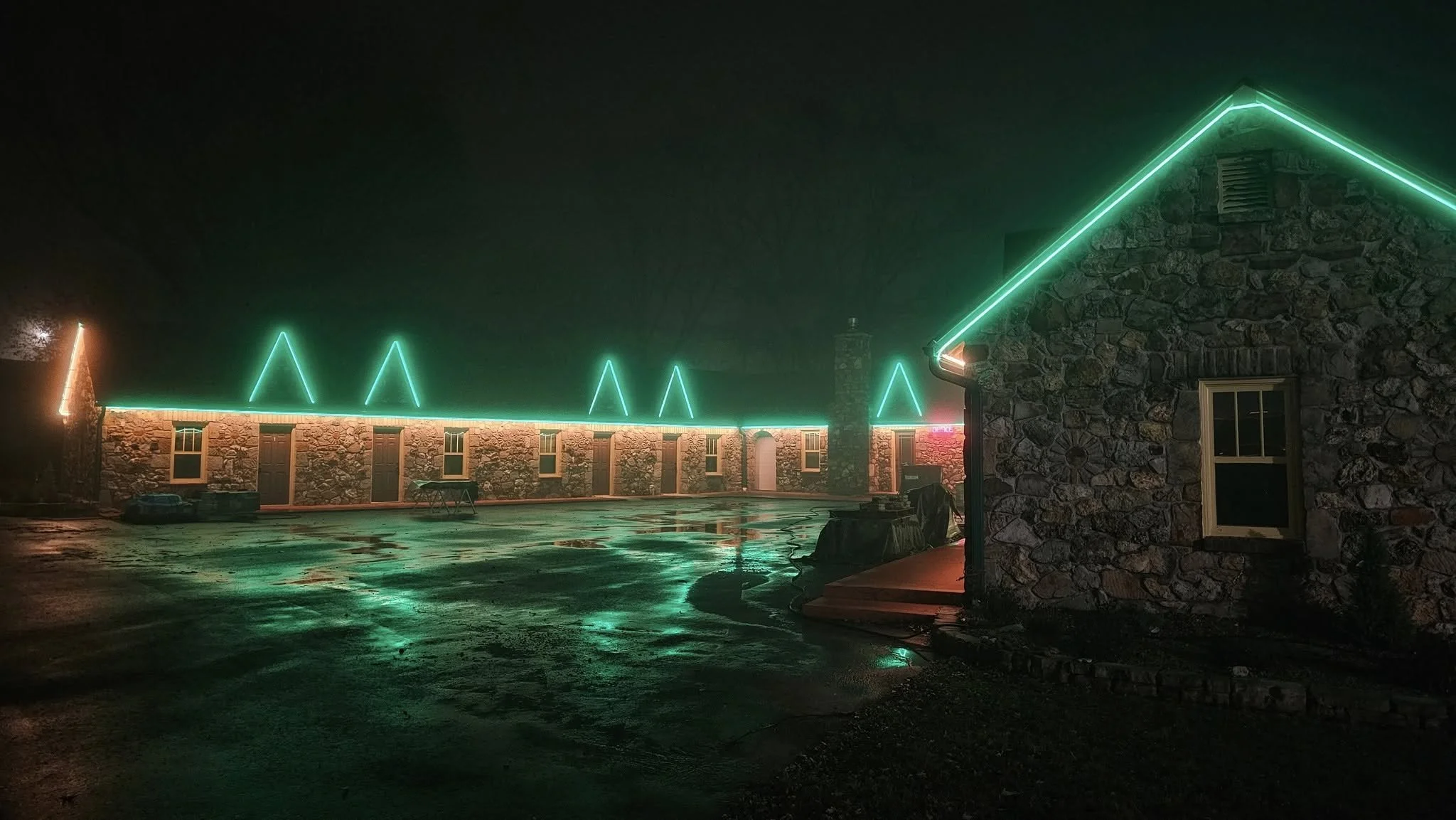
A classic stop along Route 66, the Shamrock Court has welcomed travelers to Sullivan since the golden age of the American road trip. After more than 50 years without overnight motel guests, this historic motor court reopened in May 2026 following a careful restoration—beginning a new chapter while honoring the stories, character, and roadside spirit that made it special.

1947
Construction and Early Years
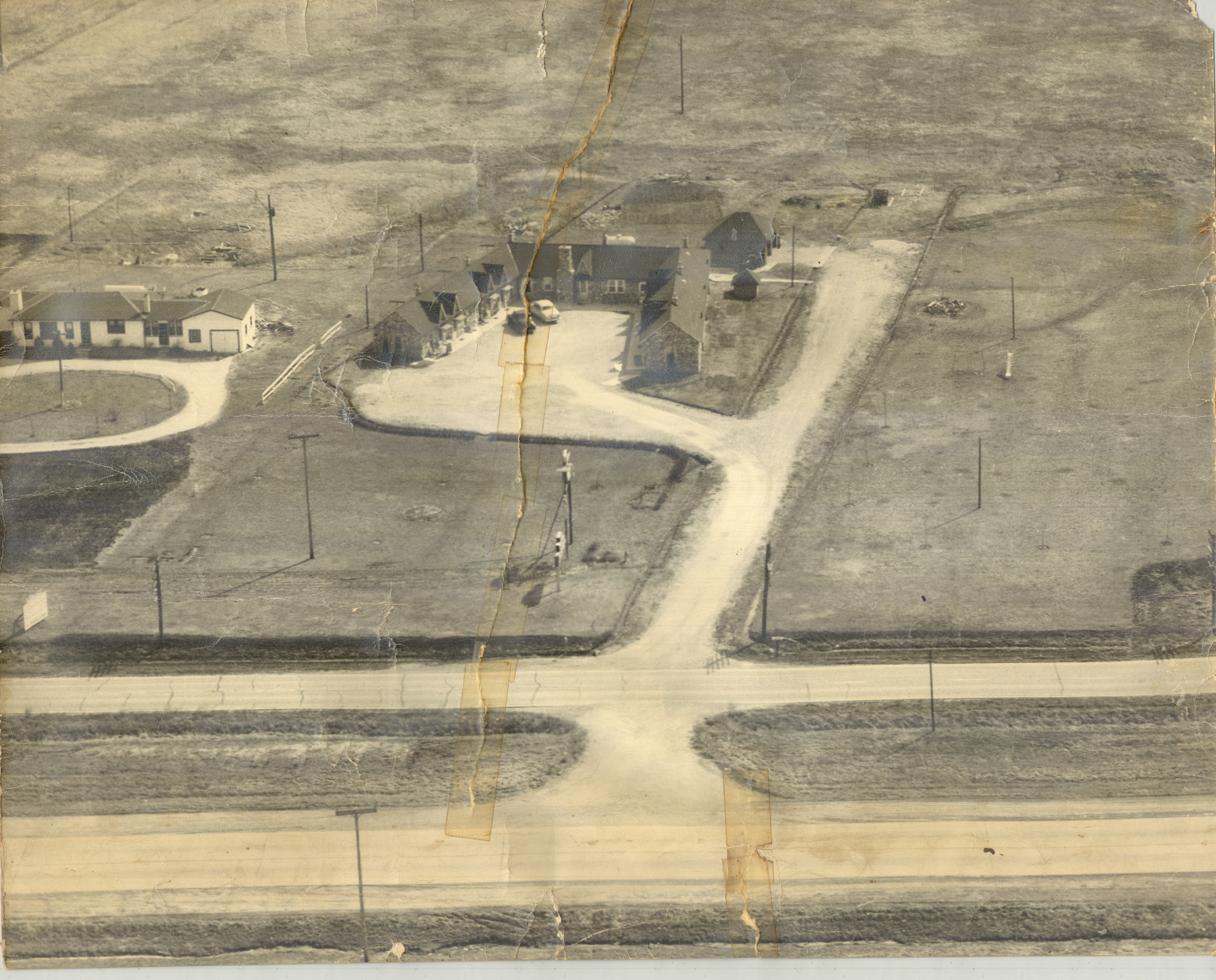
The Shamrock Court was constructed in the late 1940s. The original design and footprint date to about 1947–1948, when motor courts and motels were sprouting up to serve postwar automobile travelers on Route 66. The property’s first owners were the Dodd family, who ran it for roughly five years after it opened.
Late 1970s
Conversion and Decline
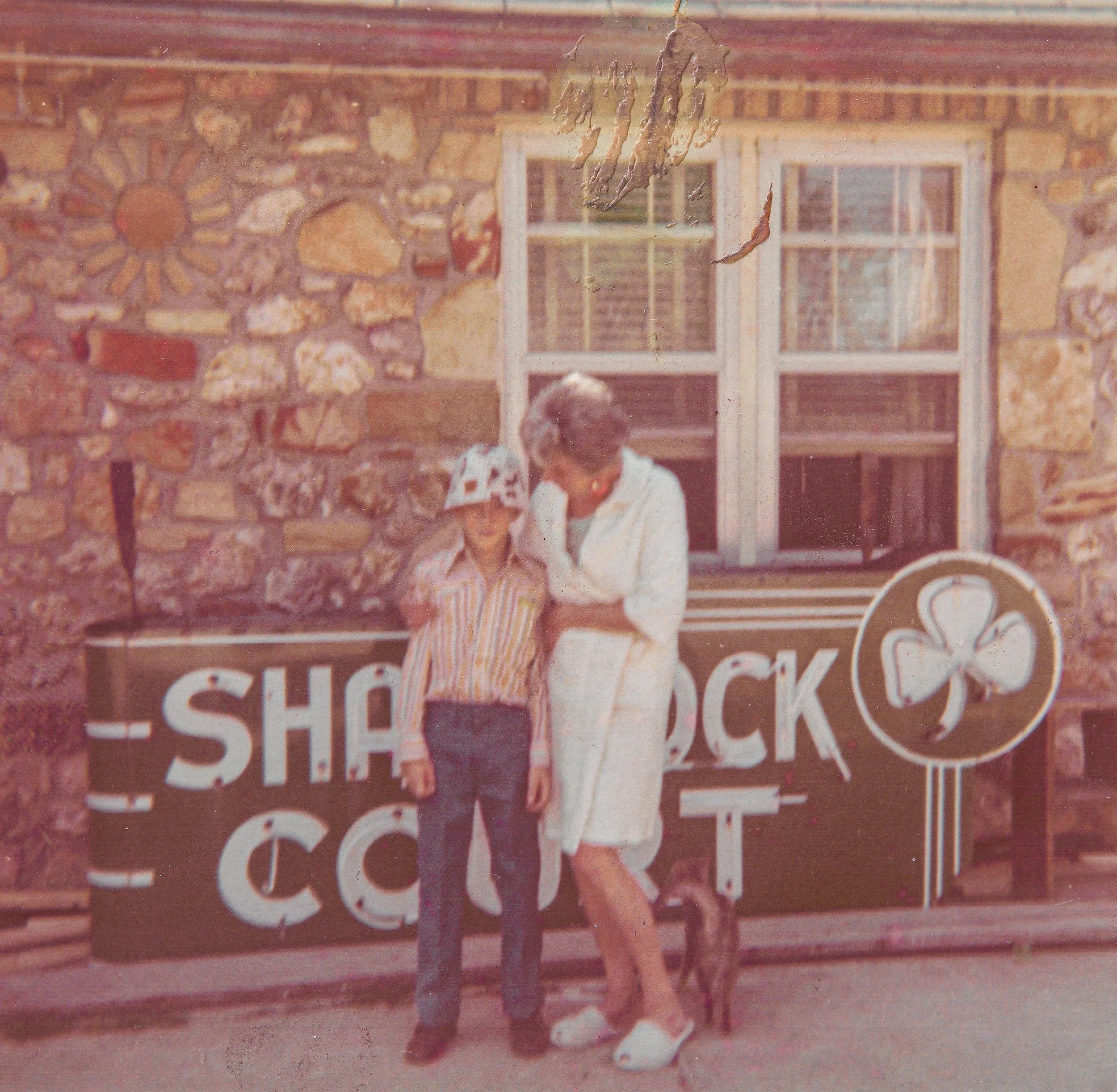
Like many small motels on older stretches of U.S. 66, the Shamrock Court was converted into efficiency apartments in the late 1970s. That change helped the property survive but also altered its use and contributed to decades of fluctuating maintenance and occupancy.
2021–Present
Restoration and Reopening
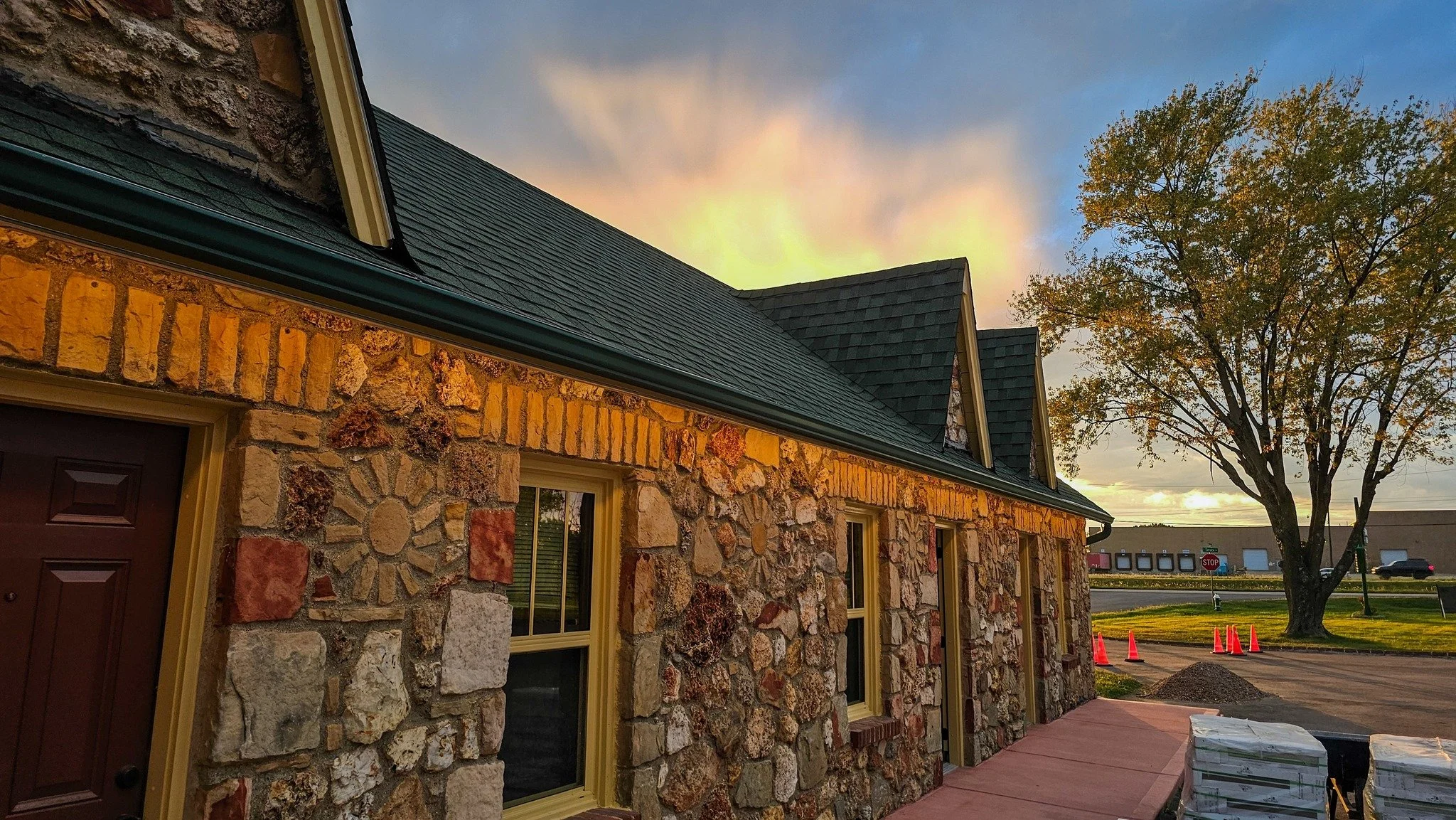
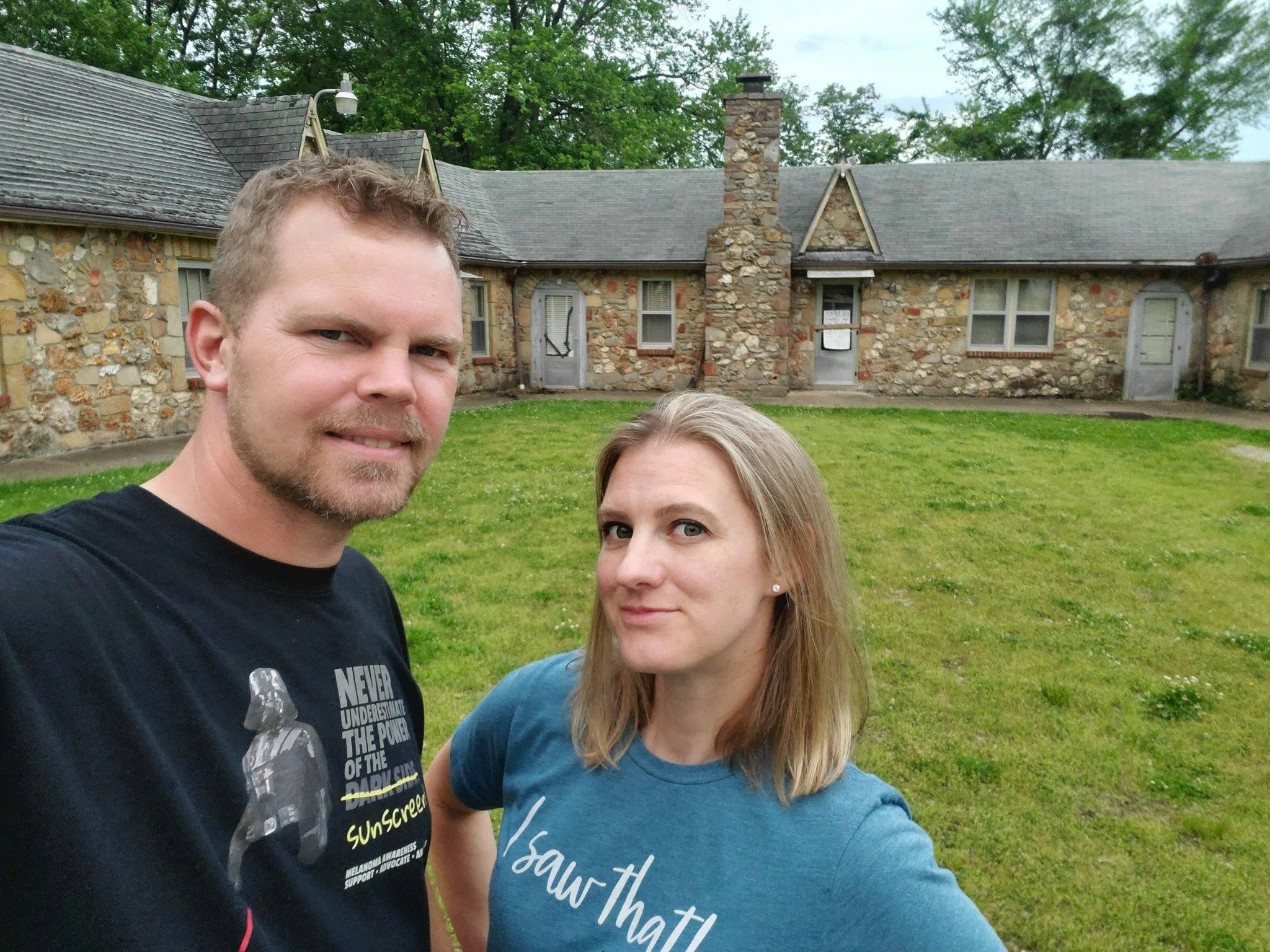
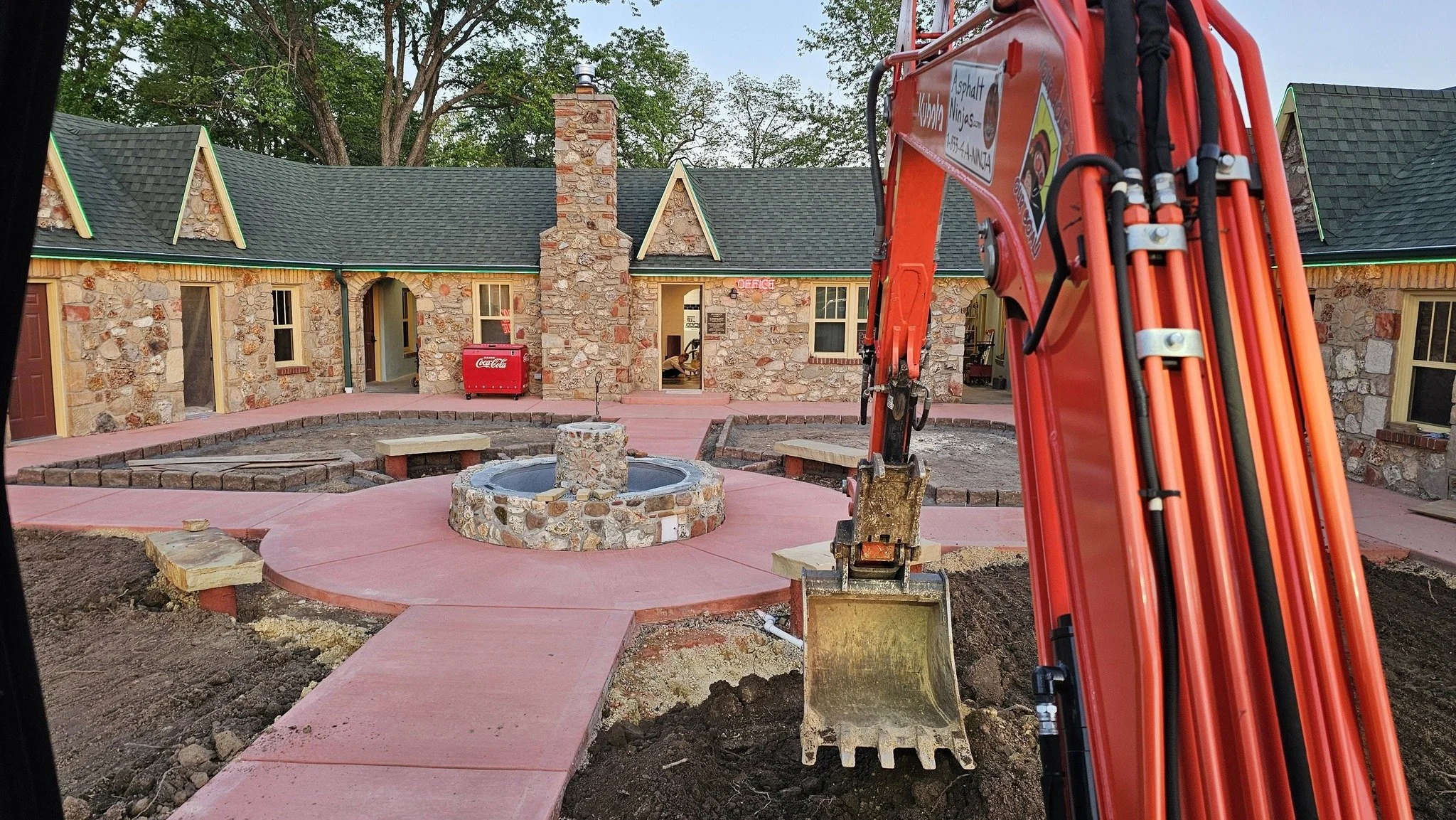
In April 2021, Richard “Roamin’ Rich” Dinkela and his wife Christina purchased the Shamrock Court and began a careful restoration of its Ozark-style architecture and Route 66 character. The motel returned to overnight lodging in May 2026, welcoming travelers again after more than 50 years.
1953
The Weiland Family Era
In 1953 John and Rose Weiland bought Shamrock Court and remained long-time stewards of the property. Under their ownership the Shamrock operated as a classic Route 66 motor court for many years.

2000s – 2010s
Preservation Interest Grows
Route 66 enthusiasts, local historians, and the community kept interest alive. Photographs, postcards, and oral histories kept the motel in the Route 66 spotlight even as it stood partially vacant for stretches of time.
The History of the Shamrock Court

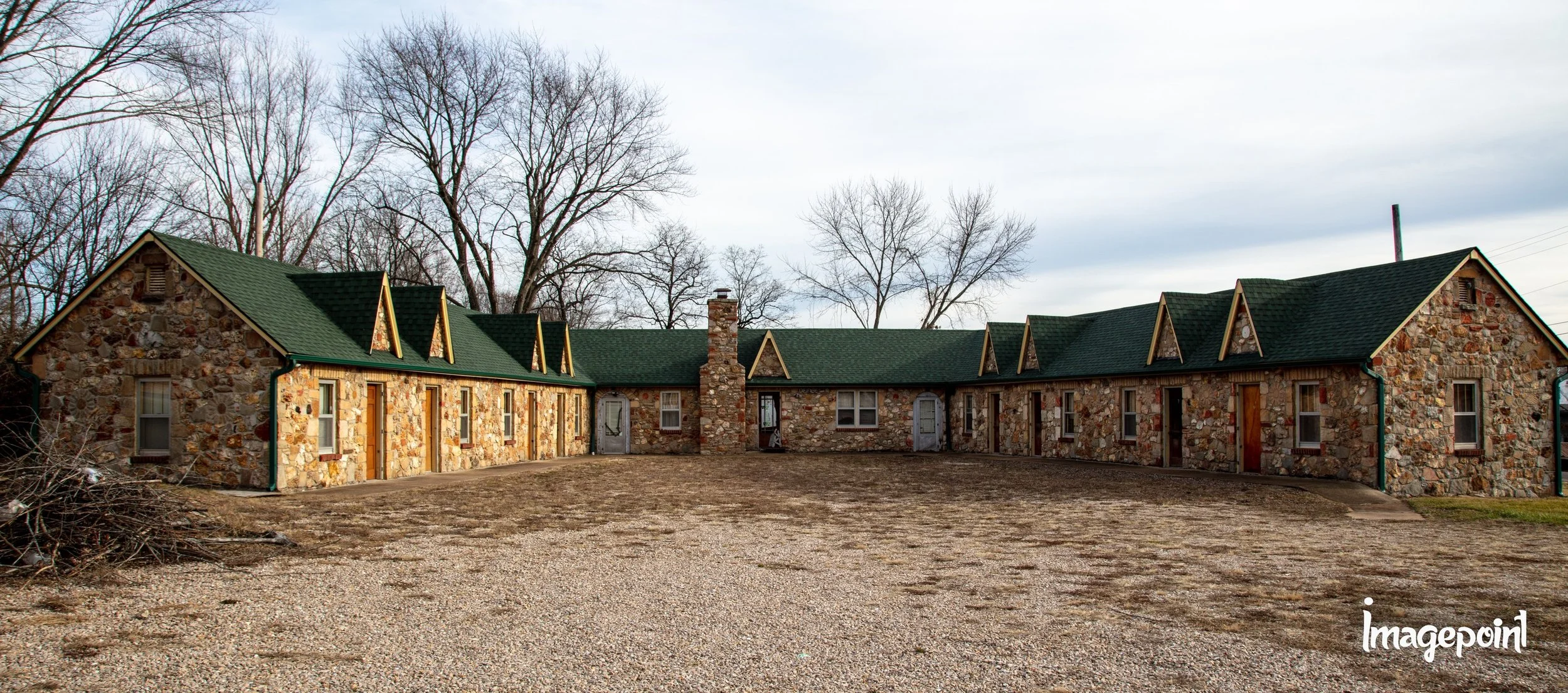
The Shamrock Court Motel, a historic landmark along Old Route 66, has been a part of Sullivan, Missouri’s story for over seven decades. Built around 1947–1948, it was originally owned and operated by the Dodd family for about five years before changing hands.
In 1953, John and Rose Weiland purchased the Shamrock Court, moving from the Chicago area to begin a new chapter in their lives. The motel sat on eight acres of land that was once part of Shamrock Village, a development owned by the O’Reilly family. Together with their young son, John Jr. (Jay), and later their two other sons, Guy (born in 1955) and William “Billy” (born in 1957), the Weiland family operated the Shamrock Court as a classic roadside motor court for Route 66 travelers.
Like many businesses along the Mother Road, the Shamrock Court was deeply affected by the rise of the Interstate Highway System. In the 1960s, Route 66 in front of the motel was expanded and reconfigured to accommodate modern highway travel. This led to the construction of Interstate 44, which bypassed the motel, cutting off direct access to travelers. With fewer overnight guests, the Weilands had to adapt their business model. In the early 1970s, the eight original motel units were converted into four two-room efficiency apartments, catering to long-term renters rather than short-term travelers. The property remained in operation under the Weiland family’s care for 67 years, until the passing of John Weiland in 2009.
In April 2021, Richard “Roamin’ Rich” Dinkela and his wife Christina purchased the Shamrock Court and began the work of restoring it as a destination for Route 66 travelers. Their restoration preserved the motel’s Ozark-style architecture and revived the spirit of classic road-trip hospitality.
In May 2026, after more than 50 years without overnight motel guests, the Shamrock Court reopened—bringing history back to life one stone at a time.

Rose Weiland with unknown boy in front of original Shamrock Court neon sign.

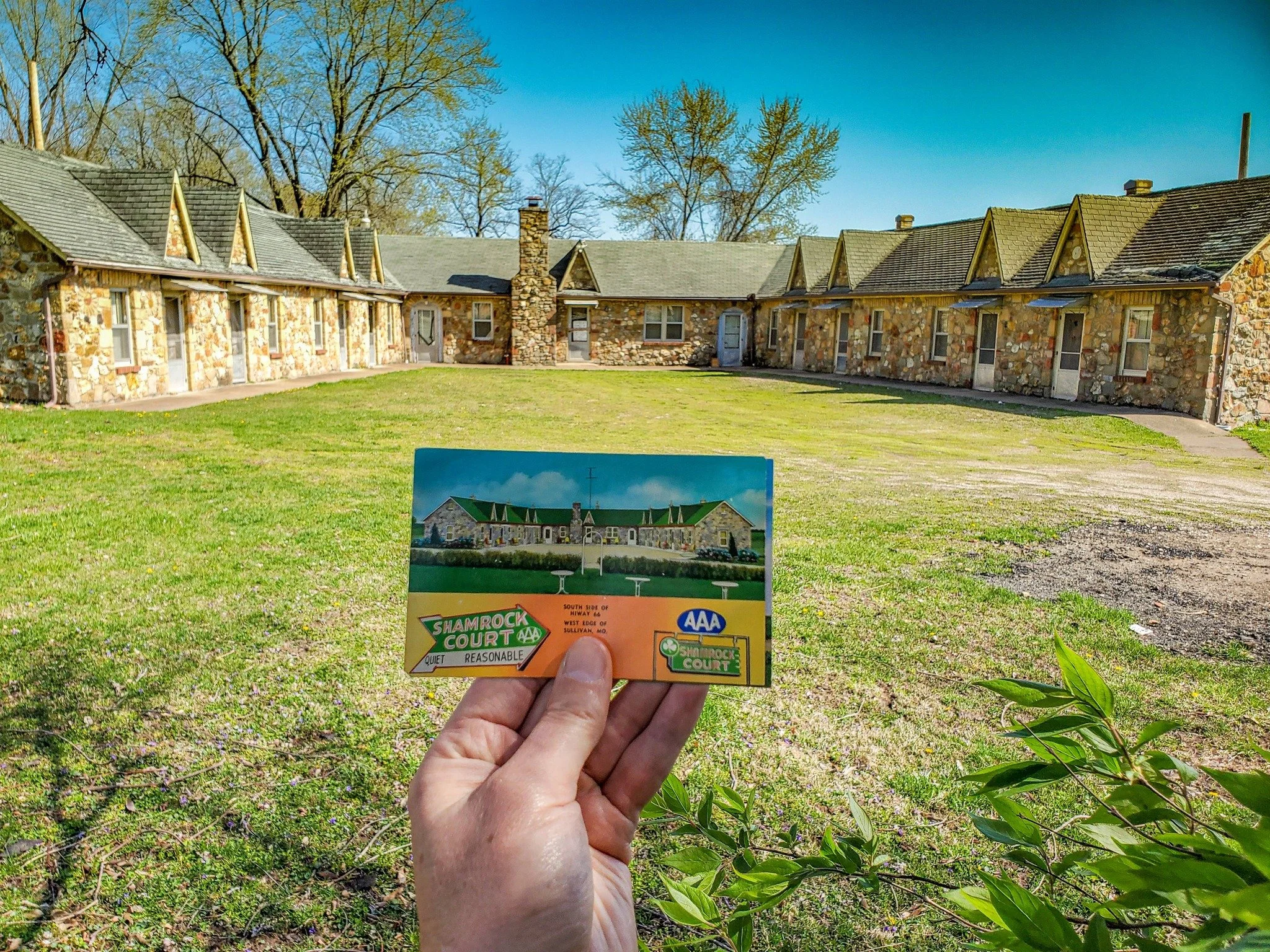
Postcard depiction from 1948 (approximately)

Notice to patrons regarding plumbing etiquette.

Meramec Caverns advertisement

Original key fobs

Helpful guides and miscellaneous motel stationary.

Original plat for Shamrock Village

Priest poses in the courtyard in front of a 1958 Chevrolet sedan. Rooms 3 &4 visible along with neon accent lights on the dormer.

Weiland Coat of Arms still on display in 2018.

1950's postcard after the Weilands purchased the property.
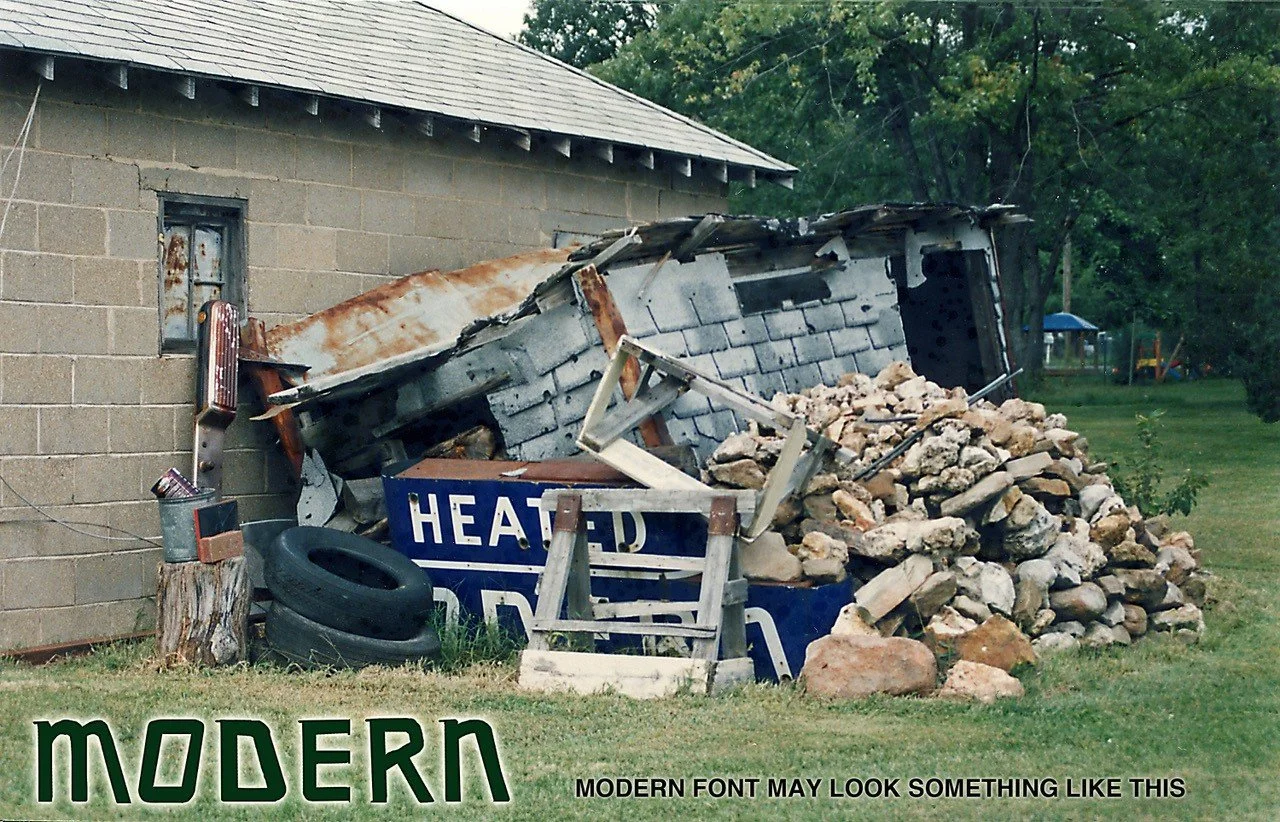
Abandoned neon sign behind the Shamrock. Photo from Shellee Graham in the mid 1990's.

Pieces of original neon found during the 2020 cleanup event.

Original floorplan
Follow The Adventure at Roamin’ Rich YouTube
This playlist offers a raw, behind-the-scenes look at the restoration of the historic Shamrock Court motel on Route 66 in Sullivan, Missouri. Through unedited footage, viewers can experience the authentic triumphs and setbacks of preserving a piece of American history.